
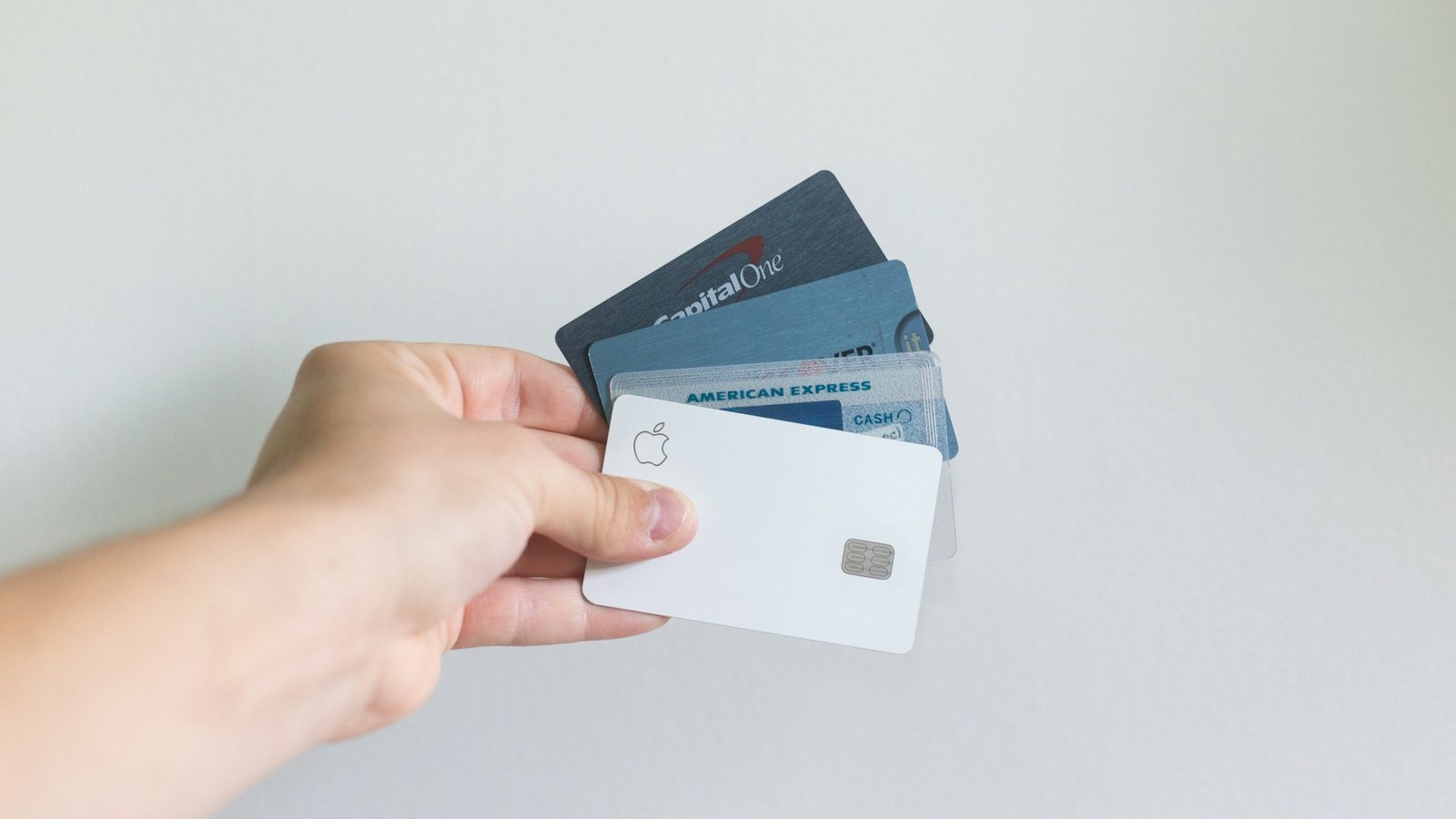
The transition from high school to college is a whirlwind of new experiences: new classes, new friends and new responsibilities. One of the most critical adulting milestones is taking charge of your finances, and a necessary first step is often getting your first credit card.
It can feel daunting. You’re inundated with offers and the financial lingo could as well be a foreign language. But fear not! Used properly, your first credit card is not a gateway to debt, but rather a powerful tool to begin establishing that strong financial foundation. This guide will take you through all the details you need to know to confidently choose the right card.
What’s the Point of a Student Credit Card Anyway?
Before we get to the “how,” let’s cover the “why.” So, as a credit-newbie student, why should you be interested in having one?
Establish Credit: This is the sole purpose. Your credit score is something that you build slowly over time. Beginning now will allow you to have a strong credit history by the time you graduate, putting you in a better position to qualify for an apartment or car loan, and even possible helping land a more affordable insurance rate.
Financial Safety Net-Its more safe to have a credit card than frequent large amounts of money with us, just in case. And it can be an emergency lifeline in a pinch, whether you need money for an unexpected car repair or a late flight home.
Convenience and Perks: Whether you are booking your tickets online or even subscribing to service where a credit card is the only way for them to collect payment. Many of them also come with attractive perks such as purchase protection, extended warranties and even rewards for your everyday spending.
Learn Financial Discipline: The credit card is a pragmatic, real-world teacher. It makes you learn budgeting, the value of paying bills on time and the price of debt.
The Golden Rules: Going In With The Right Mindset
Before you even open one application, absorb and commit to the two sacred truths:
A credit card is not free money. It is a short-term loan. The more you bill, the more you have to repay. The idea is not to spend anything but what you can pay off in full right away.
You Have to Pay Your Balance in Full, Every Month. This is rule number one of owning a credit card. You won’t pay any interest if you full pay your statement the balance by the due date. This is how you create credit for free.
Here’s a Step-by-Step Guide on How to Choose the Right Card
Now, read on to learn more about what to look at for specifics.
Step 1: Begin with a “Student Credit Card”
You can probably get by with a card designed for students, which is almost certainly the best option for you. These are cards made for people who don’t have much credit history. Issuers know you’re a student, so they are more flexible in their approval criteria. Big banks including Discover, Capital One and Chase provide some of the most popular student card options.
Step 2: Look for a $0 Annual Fee
As a student on a budget, the first card in your wallet should not be one that ends up costing you money. Give preference to cards featuring $0 annual fees. This way, the card can be a means to establish your credit, periods of stability decent without becoming a financial burden. If it turns out the perks are worth the cost, you can always upgrade to a card that costs money later in life.
Step 3: Know of the APR, but Don’t Depend on It
Annual Percentage Rate (APR): The interest rate you’d be charged when carrying a balance. The lower the APR, the better, but don’t base your decision on it alone. Remember this golden rule: If you pay your balance in full each month, your APR is 0%, regardless of what the APR happens to be. Use APR as a back burner comparison tool, but don’t make your decision based solely on a slightly lower rate if the card has downfalls elsewhere.
Step 4: Search for Rewards Matching Yours Spends and then add your own.
There are many student cards that have rewards programs. Consider where you spend the most money. Common categories for students include:
Cash Back: The easiest reward. Consider cards that provide higher levels of cash back (2-5%) on different categories like groceries, dining or gas, with 1% elsewhere.
Bonus on Gas & Groceries If you’re a commuter or purchase your own groceries, then a card that rewards you for these necessary spending categories can provide a great deal of value.
Flat-Rate Rewards: A no-fuss card that pays the same 1.5% cash back on everything is a solid, simple choice.
Pro Tip: Avoid overspending when it comes to rewards. But with balance and 20% interest that’s gone immediately, just kaput.
Step 5: Prioritize Credit-Building Tools
Some card issuers go the extra mile to encourage good habits. Look for features like:
Free FICO® Score Access: The ability to monitor your credit score for free, whether on your monthly statement or online account portal, can help you stay on top of your progress.
Credit Limit Increases: After a few months of on-time payments, some issuers might automatically review your account and increase your credit limit. This could also help your credit score by reducing your overall credit utilization ratio.
On-Time Payment Awards: When used responsibly, Discover it® Student Cash Back will reward you by adding to your cash back earnings with a bonus every school year for good grades.
Step 6: Be Wary of the Fine Print
Before you click on “submit,” read the card’s terms. Understand the fees associated with a late payment, returned payment and penalty APR (a much higher interest rate that can take effect after you make a late payment). Understanding those penalties makes it even more important to keep an eye on your account.
What to Do After You’re Approved
Congratulations! You’ve chosen your card. Now, the real work begins.
Establish a Low Spending Limit: Even with an overall limit of $1000, you can choose ($200) even less to prevent going over your budget.
Use it for Small, Regular Purchases: The most effective way to use your card is on small, budgeted purchases you already pay the price for something like Spotify and a monthly coffee treat. Enable autopay for the full statement balance from your checking account.
Check Your Account Weekly: Don’t wait for your monthly statement. Look at your account online, or on the mobile app every week. This can help you maintain your spending plan — and catch any unauthorized charges quickly.
Never, Ever Miss a Payment. Establish payment reminders or autopay. One late payment can cause significant harm to your nascent credit score.
A Word of Advice: You Control Everything
Your first credit card is a rite of passage on the path to financial independence. It’s a trial of your discipline and foresight. By beginning with a student card, focusing on no annual fees and terms, being clear about rewards and, above all else, making it the rule that you’ll pay your full balance every month without exception, you will not only steer clear of debt — you’re paving the way to a future filled with financial wellness. The you who will apply for that first apartment or car loan in the future, appreciates the head start.